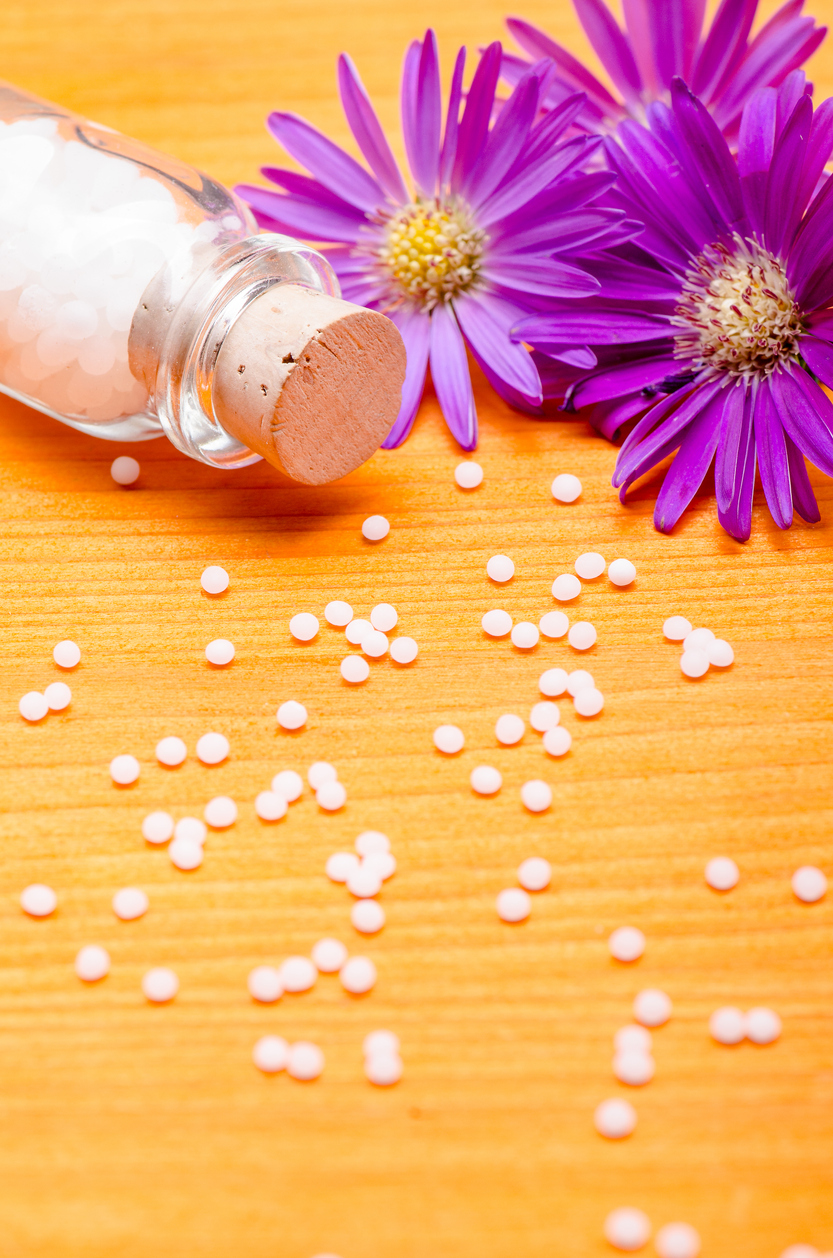
What is Homeopathy?
The name comes from the Greek homeo, meaning “like”, and pathos, meaning “suffering”.
Homeopathy is a system of medicine that attempts to stimulate the body to heal itself by administering substances that cause similar symptoms in a healthy person. If raw onion causes watering in the eyes, nose and throat pain, the same raw onion, when diluted and made into a homeopathic medicine, is used for hay fever and tonsillitis. Homeopathic remedies are used to gently stimulate the body's natural healing system (the immune system) and help the body to heal itself.
- Instead of looking at the symptoms of illness as undesirable, homeopathy sees them as signs of the body attempting to heal itself.
- Instead of suppressing symptoms, a homeopath gives remedies that would cause the same symptoms in a healthy person, to stimulate the body's own restorative mechanisms.
Homeopathic remedies are non-addictive. Sometimes there can be a temporary aggravation of the condition being treated; this is usually short-lived and your doctor will guide you through it. Correctly chosen remedies work gently to relieve discomfort and help the body heal without toxicity.
Remedies are not selected simply to treat an isolated symptom or a named disease. The motto is: treat the patient as a whole, and not the disease in parts. A homeopath builds the complete symptom picture, understands how the symptoms are linked, and creates a profile of the individual.
This means two people with the same condition can be given two different remedies and treatment plans. Even within the same diagnosis, different people respond to different remedies, so remedies must be chosen carefully on the basis of specific information and used correctly.